


Whoa, this is big. I started dabbling with DeFi browser wallets last year when curiosity got the better of me. They promised native dApp integration, instant swaps, and multi‑chain support that would finally make managing assets simpler. My instinct said this will save time, but then security and UX friction popped up fast. So I tested a handful, poked at edge cases, and learned things the onboarding screens don’t tell you.
Really? Yes. The headline features (multi‑chain, in‑page connectivity, token swaps) sound great on paper. But actually, wait—let me rephrase that: on paper it’s one thing, in practice it’s another. Initially I thought one wallet would be enough for everything, but I ran into subtle permission issues and isolated chains where gas flows behave differently. On one hand wallets that auto‑switch chains are convenient; on the other hand they can confuse users and accidentally route transactions the wrong way. That part bugs me—UX can mask important safety tradeoffs.
Whoa, small detail but crucial. Wallets differ in how they manage accounts and keys, and that affects everyday security. Some keep keys encrypted in the browser extension alone, some pair with hardware devices, and others rely on remote signing or cloud keys (no thanks, personally). My experience: a wallet that offers clear hardware‑wallet integration and granular permission controls ends up saving you headaches later. I’m biased, sure, but I’ve watched friends lose time (and funds) due to sloppy permission prompts.
Hmm… here’s the tech bit. Transaction simulation is underrated; a wallet that shows you the exact gas breakdown, the calldata intent, and a human‑readable summary prevents surprises. Medium‑level users will appreciate meta‑tx support and gas tokens, while power users want custom RPC endpoints and analytics. If a wallet abstracts away the RPC layer too aggressively, you lose visibility into where requests go (and who could be filtering them). That’s a red flag for me—privacy and trust matter.
Whoa, check this out—multi‑chain support means more than adding a network dropdown. It requires careful token mapping, cross‑chain UX, and error handling when a contract exists on one chain but not another. Some wallets show balances for many chains but don’t support swaps across them, which gets confusing. I found that wallets which surface per‑chain transaction histories and let you label accounts save time. Also—very very important—look for clear UI around native vs wrapped assets. Somethin’ as small as that can trip you up on a bridge.
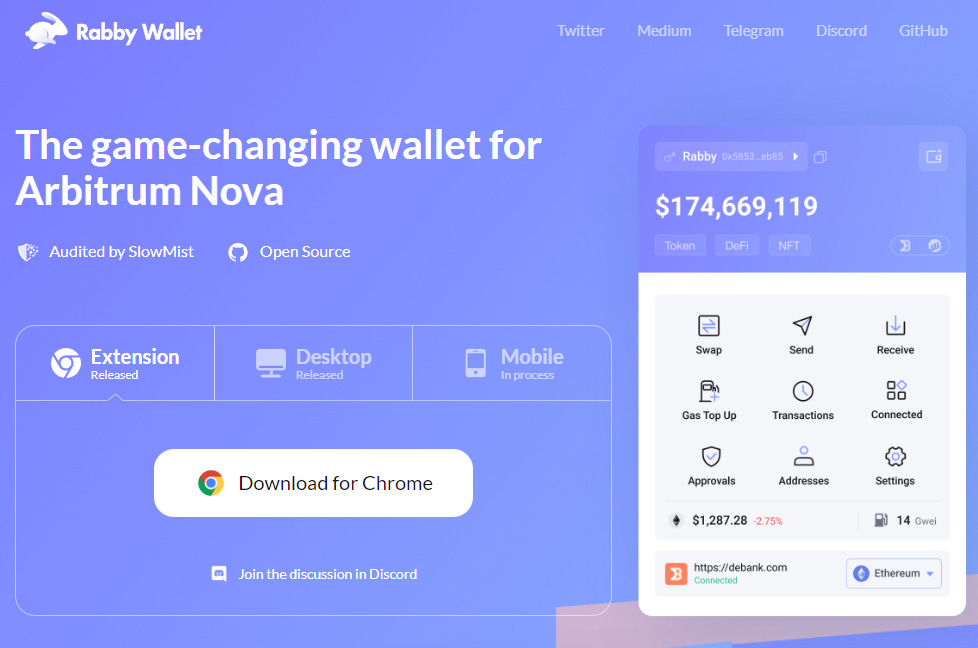
Picking a wallet that fits: practical checks and a download tip
Okay, so check this out—before you install anything, ask these questions: does the wallet let you connect a hardware device; are permissions granular; is the code audited; is the extension open source; and does it support the chains you actually use? My testing routine: set up a fresh profile, try a harmless approval flow on a testnet dApp, and see how the wallet displays the transaction details. If the extension auto‑accepts or buries the permit screen, toss it. If you want to try a wallet that balances convenience with transparency, look at Rabby and grab it from this page: https://sites.google.com/cryptowalletextensionus.com/rabby-wallet-download/
Whoa, small checklist time. Permissions should be revocable, and approvals should be scoped by contract and amount when possible. Also, check for built‑in phishing detection or a community‑curated blacklist (not perfect, but helpful). Onboarding flows that teach about seed phrases and social recovery options show that the team cares about long‑term users, not just quick installs. That tangent matters because a great UI with bad safety defaults is like a flashy car with no airbags.
Initially I thought speed was king, but then I realized reliability beats raw speed for daily use. Some wallets rush to add every network under the sun, then scramble to fix broken RPCs. On one testnet I saw repeated failures because an RPC provider had rate limits—frustrating, and it broke a simple swap flow. So prefer wallets that offer fallback RPCs or let you configure your own providers. Also look for clear error messages; cryptic JSON dumps are worthless to most people.
Whoa—privacy notes. Many browser wallets collect telemetry to improve service, which I get, though I’m not 100% comfortable with what some data can reveal. If privacy matters to you, check the privacy policy and whether the wallet supports local signing only (no backend). On the flip side, some cloud‑enhanced features (like push notifications or portfolio sync) can be convenient, so it’s an explicit tradeoff. I’m not telling you to avoid those features, just to choose intentionally.
Really, one more practical thing—support and community. A small dev team with active communication channels is often better than a flashy brand without support. Look for changelogs, a public roadmap, and community moderators who actually answer questions. Funding and sustainability matter; wallets that vanish or stop updating can leave you stuck with incompatibilities later. So check longevity signals—it’s boring but valuable.
Common questions
Is a multi‑chain wallet safe to use with Ethereum dApps?
Yes, generally safe if you follow best practices: use a hardware wallet for large balances, verify contract approvals, and prefer wallets that show full transaction details. Don’t blindly accept permits, and revoke allowances when you’re done. Also test flows on testnets first when possible.
How do I reduce risk when connecting to unfamiliar dApps?
Limit approvals to minimal amounts, use individual accounts for unfamiliar dApps, and enable transaction simulation or “view intent” features when the wallet provides them. Consider a burner account for one‑off interactions (small balance only). And yes, read the approval screen—sounds obvious, but people skip it.
What if I lose my seed phrase or device?
Recovery depends on the wallet: seed phrase or mnemonic recovery is the common path, and hardware wallets give another layer but still require the seed. Some wallets offer social recovery or cloud recovery options (weigh the tradeoffs). In all cases, keep backups in secure, separate locations—paper, hardware, or a trusted safety deposit option.